

When most people think about retirement accounts, they picture mutual funds, stocks, and maybe a few bonds. While these traditional investments can play a role in long-term wealth building, they also limit what you can do with your money.
A self-directed IRA (SDIRA) offers a powerful alternative—one that puts you in the driver’s seat and opens the door to a much broader range of investment opportunities.
Whether you’re an experienced investor or just starting to explore alternative assets, understanding how self-directed IRAs work can help you diversify your portfolio, reduce reliance on Wall Street, and potentially create more resilient retirement income.

What is a Self-Directed IRA
A self-directed IRA is a retirement account that follows the same tax rules as a traditional or Roth IRA but allows you to invest in a wider range of assets. Instead of being limited to stocks, mutual funds, and exchange-traded funds (ETFs), you can use a self-directed IRA to invest in alternative assets such as:
- Real estate (residential, commercial, or land)
- Private credit: mortgage notes and debt funds
- Private equity
- Tax liens
- Precious metals
- Certain cryptocurrency investments
The key difference is not the IRA itself—it’s the level of control. With a self-directed IRA, you choose the investments. A specialized custodian holds the account and executes transactions at your direction, but they do not evaluate or recommend deals.
Benefits of Self-Directed IRAs for Real Estate and Alternative Investments

Self-directed IRAs are especially appealing to investors who already understand real estate, private lending, or small business investing. Rather than keeping retirement funds locked in traditional markets, investors can align their retirement strategy with the assets they know best.
Key benefits include:
– Portfolio Diversification Beyond Stocks
Reduce reliance on Wall Street by adding real estate and private market exposure.
-Greater Control Over Retirement Investments
You decide what to invest in and when.
–Potential for Higher Returns with Alternative Assets
Private investments may offer attractive risk-adjusted return potential.
-Tax-Advantaged Growth Inside Your IRA
Income and appreciation grow tax-deferred or tax-free depending on your IRA type.
How Self-Directed IRAs Work
To open a self-directed IRA, you work with a custodian that specializes in alternative assets. The custodian handles:
- Asset custody
- Transaction processing
- IRS reporting
After funding your SDIRA through a rollover or contribution, you identify investments and direct the custodian to deploy capital. All income and expenses must flow through the IRA—not personal accounts.
IRS Rules, Prohibited Transactions, and Compliance
One of the most critical aspects of using a self-directed IRA is understanding prohibited transactions and disqualified persons. The IRS prohibits self-dealing between your IRA and:
- You or your spouse
- Parents and grandparents
- Children and grandchildren
- Businesses you control
Common prohibited actions include:
- Living in an IRA-owned property
- Lending IRA funds to yourself or family
- Personally performing work on IRA-owned assets
Violations can trigger taxes, penalties, and even disqualification of your IRA.
Generating Passive Income With a Self-Directed IRA
Many investors use self-directed IRAs to generate passive income through alternative investments, including:
- Private lending and mortgage debt funds
- Rental properties
- Real estate-backed funds
This strategy allows investors to grow tax-advantaged income without day-to-day management responsibilities.
Using a Self-Directed IRA for Private Mortgage Investments
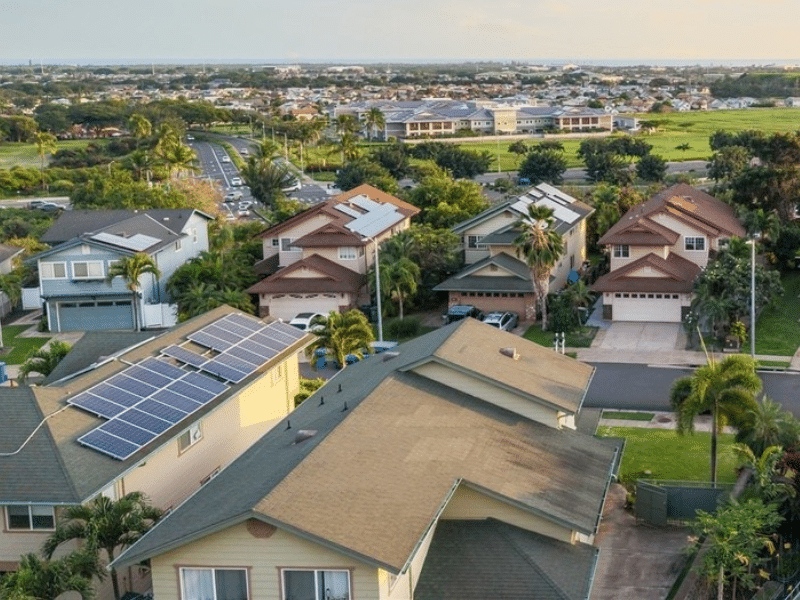
Self-directed IRAs can be used to invest in private mortgage notes secured by real estate. In this structure, your IRA becomes the lender, earning interest backed by property collateral.
Key advantages of private mortgage investing inside an SDIRA include:
- Monthly or quarterly passive income
- Asset-backed security
- Strong focus on protecting investor capital
- Shorter investment timeframes
- No tenant or property management
This approach is well-suited for passive investors who want real estate exposure without owning physical property.
Risks and Drawbacks of Self-Directed IRAs
While powerful, self-directed IRAs come with risks:
- Limited liquidity
- Higher fees than traditional IRAs
- Greater due diligence responsibility
- Regulatory compliance complexity
Investors should only use SDIRAs for assets they understand or can properly vet.
Tax Advantages of Self-Directed IRAs
One of the key benefits of using a self-directed IRA is the tax-advantaged structure of retirement accounts. Income generated from investments—such as interest from private mortgage loans—can grow without immediate taxation.
With a Traditional Self-Directed IRA, investment income grows tax-deferred, meaning taxes are generally paid only when funds are withdrawn in retirement.
With a Roth Self-Directed IRA, contributions are made with after-tax dollars, but qualified withdrawals—including investment gains—can be tax-free.
This tax-advantaged structure allows interest income from private mortgage investments to remain inside the retirement account and potentially compound over time, helping investors grow their retirement savings more efficiently.
Is a Self-Directed IRA Right for Your Retirement Plan?
Self-directed IRAs are best suited for investors who:
- Want real estate or private credit exposure
- Understand alternative assets
- Seek diversification beyond public markets
- Are comfortable with due diligence
When used properly, SDIRAs can significantly enhance retirement flexibility and income potential.
Many investors use self-directed IRAs to allocate retirement capital into professionally structured private mortgage investments that prioritize income generation and capital preservation.
Investors interested in using a self-directed IRA for private mortgage or real estate investments typically need a specialized custodian to establish and administer the account. If you are exploring this strategy, the team at Myers Investment Group can refer you to several reputable self-directed IRA custodians we have worked with. These partners specialize in alternative assets and can help guide you through the process of opening and funding a self-directed retirement account.

Final Thoughts on Self-Directed IRAs and Passive Income
Self-directed IRAs provide a powerful framework for building retirement wealth through real estate and private investments. By combining tax advantages with alternative assets like private mortgage, investors can create diversified, income-producing portfolios that are less dependent on stock market volatility.
With proper education and professional guidance, self-directed IRAs can be a cornerstone of a long-term passive income strategy.